
India added nearly 26 gigawatts of new solar capacity in just the first half of 2026, a 43% jump over the same period last year. If you have ever wondered whether now is the right time to build a solar panel business plan, that single number should answer the question. The market is growing faster than most entrepreneurs can keep up with, and the businesses that win are the ones that plan properly before they spend a single rupee.
Whether you want to become a rooftop installer, a solar equipment dealer, or eventually a manufacturer, a solid solar panel business plan is what separates a hobby from a company that survives its first three years. In this guide, you will learn exactly how to start solar panel business in India, what it costs, which licenses you need, and how to structure a plan that investors and banks will actually take seriously.
This is not a generic overview. Every number in this solar panel business plan comes from verified 2026 market data, and every step reflects how real solar businesses in India are actually being registered, funded, and grown right now. By the end, you will have a clear framework for your own solar panel business plan, whether you are targeting a single city or an entire state.
Why India’s Solar Boom Makes This the Right Time for a Solar Panel Business Plan
India’s solar energy market is valued at 145.83 gigawatts in 2026 and is projected to grow at a compound annual growth rate of 19.05% to reach 348.57 gigawatts by 2031, according to Mordor Intelligence. The country’s total installed solar PV capacity crossed 164 gigawatts by the end of July 2026, with close to 28.78 gigawatts added in just the first seven months of the year.
The rooftop segment, where most new solar panel businesses actually operate, is growing even faster in relative terms. India’s rooftop solar market reached an estimated 20.84 gigawatts in 2026, up from 17.60 gigawatts in 2025, and is projected to hit 48.55 gigawatts by 2031 at an 18.41% CAGR. That growth is not theoretical. It is driven by real government money reaching real households, which is exactly the demand your solar panel installation business plan needs to tap into.
Government Push Behind the Numbers
Under the PM Surya Ghar Yojana, more than 39.72 lakh rooftop solar systems had been installed by July 2026, benefiting over 48 lakh households. The scheme offers a subsidy between ₹30,000 and ₹78,000 per household, which combined with falling equipment costs has pushed payback periods down to 4 to 6 years in most North Indian cities. This is the single biggest tailwind for anyone building a business plan of solar panel installation and sales in India today.
How to Start a Solar Panel Business in India: Step-by-Step
Learning how to start a solar panel business in India is less about the panels themselves and more about sequencing. Skip a step, and you will find yourself unable to bid on government-linked projects or apply for vendor subsidies later. Follow this order instead.
- Pick your business model first. Decide whether you are an installer, a dealer, a distributor, or a manufacturer before you register anything, since your legal structure and licenses depend entirely on this choice.
- Register your company. Choose a private limited company, an LLP, or a proprietorship depending on your funding plans and liability comfort.
- Get your GST and Udyam (MSME) registration. Both are mandatory for issuing invoices and accessing government subsidy schemes.
- Obtain an electrical contractor license. This is required if you plan to physically install systems rather than just sell equipment.
- Apply for BIS certification. Only necessary if you manufacture or assemble panels and inverters rather than reselling certified products.
- Register as a vendor on the PM Surya Ghar portal. This unlocks access to subsidy-linked residential projects across your service area.
- Build your first reference project. Most subsidy and empanelment applications require at least one commissioned installation before approval.
Notice that the paperwork happens before the marketing. Too many first-time entrepreneurs build a website and start taking bookings before they can legally invoice a subsidy-linked project, which means they either lose the client or have to refund a deposit later.
Solar Panel Business Plan in India: Investment and Cost Breakdown
Every solar panel business plan in India needs a realistic number attached to it, and that number changes drastically based on scale. Here is what you should actually budget for, based on current 2026 market conditions.
Small-Scale Dealership or Installer Setup
A small-scale dealership or installer operation typically requires between ₹2 lakh and ₹10 lakh. This covers a small office or showroom, demonstration equipment, basic installation tools, a two- or three-person crew, and initial digital marketing. Many entrepreneurs start even leaner, at ₹1 to ₹2 lakh, by working as a sub-contractor for an established EPC firm while they build their own client base.
Medium-Scale EPC or Distribution Business
If you plan to take on engineering, procurement, and construction (EPC) contracts directly, or want to become a regional distributor for a panel manufacturer, expect to invest between ₹10 lakh and ₹50 lakh. This budget needs to cover warehouse rent, a supply chain deposit with your manufacturer, logistics, and at least one or two qualified electrical engineers on payroll.
Large-Scale Manufacturing
Manufacturing solar panels or inverters domestically is a different game entirely, requiring anywhere from ₹2 crore to ₹20 crore or more. This tier includes land acquisition, assembly line equipment, BIS certification costs, and compliance with Ministry of New and Renewable Energy (MNRE) manufacturing guidelines. Most first-time entrepreneurs should not start here. Build your installer or dealership business first, then graduate into manufacturing once you understand demand patterns in your region.
| Business Model | Typical Investment | Time to Break Even | Best Suited For |
|---|---|---|---|
| Installer or Dealership | ₹2 lakh to ₹10 lakh | 8 to 18 months | First-time entrepreneurs, local operators |
| EPC or Distribution | ₹10 lakh to ₹50 lakh | 18 to 30 months | Experienced electrical contractors, regional players |
| Manufacturing | ₹2 crore to ₹20 crore+ | 3 to 5 years | Established industrial groups, large investors |
You should also want to talk to our team about tailored energy management solutions if you plan to bundle maintenance contracts into your dealership offering. Recurring maintenance revenue is often what keeps a small solar business cash-flow positive between installation projects.
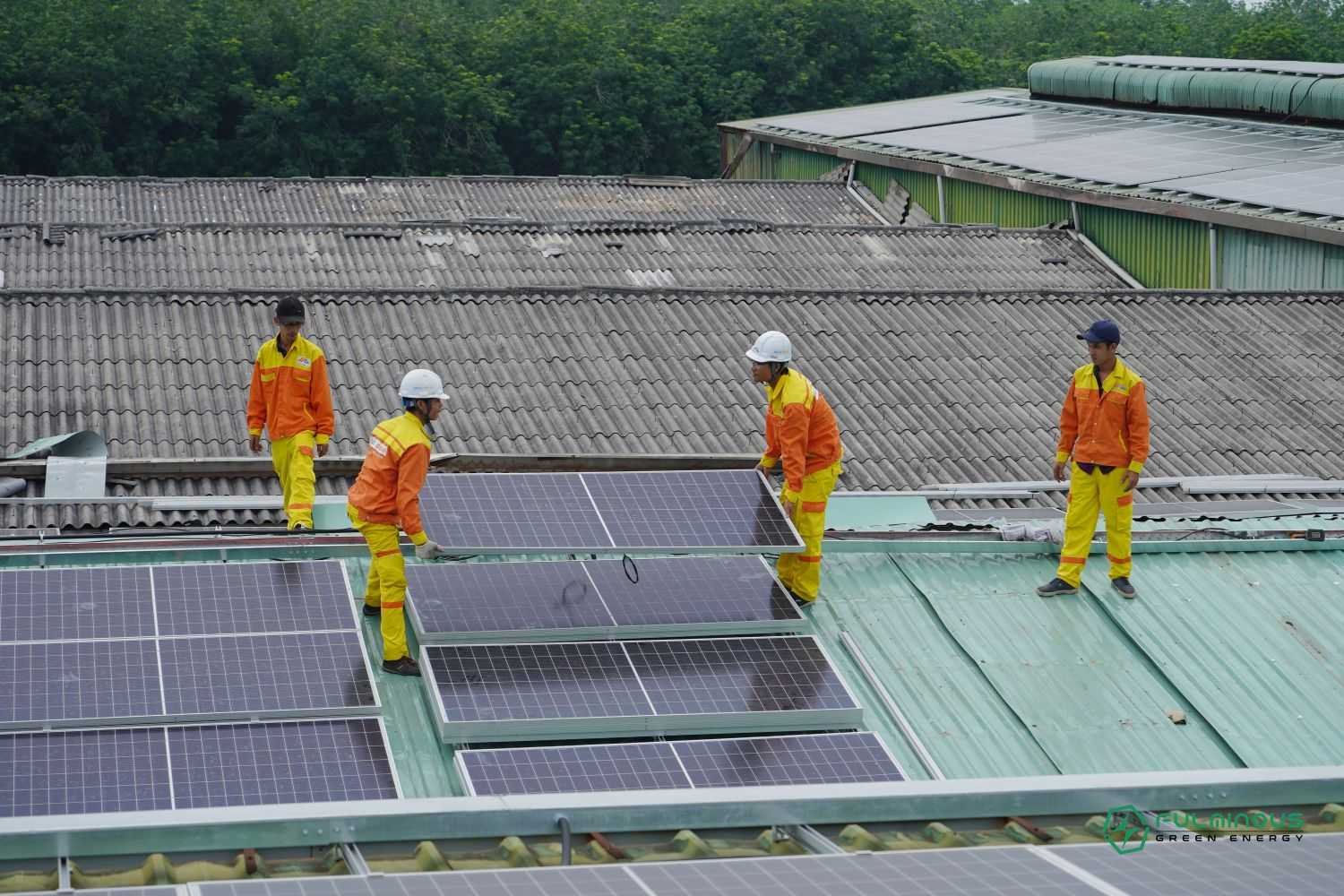
Real-World Growth Signals for a Solar Panel Business Plan in India (2026 Snapshot)
Numbers on a page mean little until you see what they translate to on the ground. Every solar panel business plan should be grounded in what is actually happening in the market this year, not projections from three years ago.
Consider the pace of installation alone. India installed close to 44 gigawatts of solar and 6 gigawatts of wind capacity in FY2026, according to JMK Research. That volume of installation work has to be completed by someone, and increasingly, that someone is a small or mid-sized regional business rather than a single national contractor. This is exactly the gap a well-executed solar panel business plan in India is designed to fill.
India has also become the world’s third-largest country for solar PV capacity, a milestone that signals long-term policy stability rather than a short-term subsidy spike. For anyone still deciding how to start solar panel business in India, that stability matters more than any single scheme, because it means demand is structural, not seasonal. A business plan of solar panel installation built around a five-year horizon, not a five-month one, is far more likely to survive a policy adjustment or a temporary subsidy pause.
Business Plan of Solar Panel: Choosing the Right Model for You
A generic business plan of solar panel operations rarely survives contact with real customers. You need to pick a lane based on your skills, capital, and local market conditions.
Installation and EPC Services
This model suits people with an electrical or engineering background who want to work directly with homeowners, factories, and commercial property owners. Margins come from labor and project management rather than equipment markup, and you can start with almost no inventory since you order panels per project.
Dealership and Franchise Model
If you would rather focus on sales and customer relationships than technical execution, becoming a dealer or franchisee for an established brand lets you skip years of trust-building. You get pre-approved equipment, marketing support, and often financing tie-ups, in exchange for a smaller margin per unit sold.
Component Manufacturing
Manufacturing suits entrepreneurs who already run a factory or have access to industrial capital. It carries the highest risk and the highest reward, since domestic manufacturers currently benefit from production-linked incentives and reduced dependence on imported cells.
Whichever model you choose, our residential solar solutions page shows exactly how a well-run installer business packages its offering for homeowners, which is a useful reference when you write the “services” section of your own plan.
Licensing, Registration, and Government Schemes for Your Solar Panel Installation Business Plan India
This is the section most first-time founders underestimate, and it is exactly why so many solar panel installation business plan India documents fall apart during due diligence.
Mandatory Registrations
- Company registration (private limited, LLP, or proprietorship)
- GST registration
- MSME or Udyam registration
- Electrical contractor license (for installation and EPC work)
- BIS certification (only if manufacturing)
- DISCOM empanelment (required for net-metering and subsidy-linked rooftop projects)
PM Surya Ghar Vendor Registration
Vendor registration happens directly on the pmsuryaghar.gov.in portal under “Register as Vendor.” You will need your GST certificate, business registration documents, electrical contractor license, bank account details, and proof of at least one commissioned solar project. The Ministry of New and Renewable Energy and your state nodal agency verify every application, and approval typically takes 7 to 21 working days, so build that delay into your launch timeline.
PM KUSUM Scheme for Agricultural Solar
If your solar panel business plan targets rural and agricultural customers, the PM KUSUM scheme is worth building into your pitch. The scheme targets 34,800 megawatts of solar capacity by March 2026, backed by ₹34,422 crore in central financial support, covering both standalone solar agriculture pumps and solarization of existing grid-connected pumps. This is a large, underserved segment for installers willing to work outside metro areas.
Marketing and Growing Your Solar Panel Business Plan in India
A great solar panel business plan in India is worthless without customers, and solar is still a trust-driven, high-consideration purchase for most families and business owners. This is the section of your solar panel installation business plan India document that most technical founders write last, and it shows.
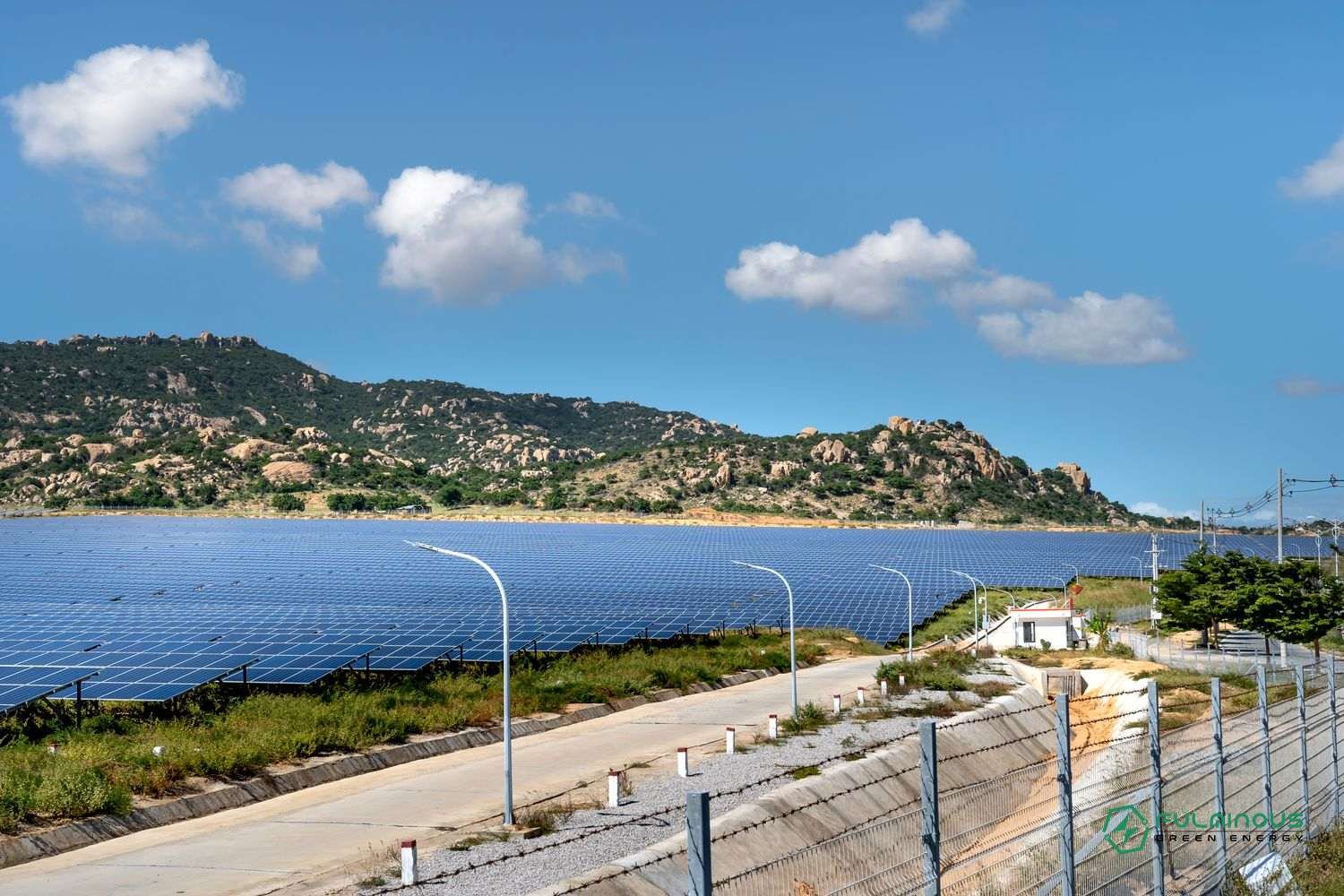
Building Local Trust and Referrals
Your first ten customers matter more than your first hundred. Focus on flawless execution, transparent pricing, and fast after-sales support in one neighborhood or industrial cluster before expanding. Word-of-mouth referrals convert at a far higher rate than cold advertising in this industry, largely because customers are trusting you with a system that sits on their roof for 25 years.
As a result, the strongest solar panel business plan in India documents usually include a dedicated referral incentive budget from month one. Offering a modest discount or cash reward to existing customers who refer a friend or neighbor costs far less than paid acquisition, and it compounds as your installed base grows.
Digital Marketing for Solar Businesses
Search intent for terms like “solar panel installation cost” and “solar subsidy” is extremely high right now, which means a well-optimized website and consistent content marketing can generate qualified leads at a lower cost than paid ads alone. Pairing that with a genuinely useful solar ROI calculator on your site gives visitors a reason to hand over their contact details before they even speak to a salesperson.
Furthermore, publishing localized content, for example a page explaining state-level rooftop solar subsidies, helps your solar panel business plan rank for the exact searches your future customers are already typing into Google. This is often more cost-effective over a 12-month period than any single paid advertising campaign.
If you would rather have experts build and run this side of the business for you, our commercial solar installation team can walk you through what a fully managed customer acquisition and installation pipeline looks like at scale. On the other hand, if your solar panel business plan is aimed squarely at homeowners, our flexible residential installment plans give you a ready-made financing option to offer at the point of sale, which consistently shortens the sales cycle.
Common Mistakes to Avoid in Your Business Plan of Solar Panel Operations
Most solar business plans fail for the same handful of reasons, and you can avoid all of them by being deliberate from day one.
- Underestimating working capital needs between project completion and subsidy disbursement, which can take several weeks
- Skipping DISCOM empanelment and losing access to net-metering approvals, which frustrates customers and kills referrals
- Offering installation without a maintenance plan, leaving revenue on the table and customers without support after year one
- Competing purely on price instead of building a service reputation, which erodes margins across your entire portfolio
Bundling a proper trained technician network into your operations from the start solves the maintenance problem before it becomes a churn problem, and it is one of the clearest signals to investors that your plan accounts for the full customer lifecycle, not just the initial sale. Pairing installation with an ongoing solar system maintenance package is one of the simplest ways to add recurring revenue to any solar panel business plan without acquiring a single new customer.
Frequently Asked Questions About Solar Panel Business Plan
How much does it cost to start a solar panel business in India?
Costs range from ₹1 to ₹2 lakh for a very small dealership operation up to ₹50 lakh for a medium-scale EPC or distribution business. Large-scale manufacturing requires ₹2 crore or more, so most first-time entrepreneurs should start with an installer or dealership model instead.
Do I need an electrical license to start a solar panel installation business?
Yes, an electrical contractor license is mandatory if you plan to physically install solar systems rather than only selling equipment. This license is also required for empanelment with local DISCOMs, which you need for net-metering approvals.
How long does it take to become profitable in the solar business?
A small installer or dealership business typically breaks even within 8 to 18 months, depending on how quickly you build a referral pipeline. Medium-scale EPC operations usually take 18 to 30 months, since project cycles and receivables are longer.
Which is better, becoming a dealer or starting my own installation company?
A dealership gives you pre-approved equipment and brand support but smaller margins, while running your own installation company gives you full control and higher margins but requires deeper technical expertise. Choose based on whether your strength is sales or execution.
Why should I register for PM Surya Ghar Yojana as a vendor?
Vendor registration unlocks access to subsidy-linked residential projects, which currently make up a large share of new rooftop solar demand in India. Without registration, you cannot process the government subsidy for your customers, which puts you at a serious competitive disadvantage.
Conclusion: Turn Your Solar Panel Business Plan Into a Real Company
India’s solar market is not slowing down, and the government support behind schemes like PM Surya Ghar Yojana and PM KUSUM means the demand side of your solar panel business plan is largely taken care of for you. What separates the entrepreneurs who succeed from the ones who quit within a year is discipline around licensing, honest cost planning, and a genuine commitment to after-sales service.
Use this guide as your working template. Start with the business model that matches your skills and capital, register everything correctly the first time, and treat your solar panel installation business plan India documentation as a living plan you revisit every quarter, not a one-time exercise you file away after launch. The entrepreneurs who revisit their business plan of solar panel operations regularly are consistently the ones who catch cash-flow problems early and adjust before they become fatal.
You do not have to figure this out alone. Fulminous Green Energy works with residential, commercial, industrial, and enterprise clients across the full project lifecycle, from planning and installation to long-term maintenance and flexible installment plans. Whether you are still shaping your solar panel business plan or already looking for an experienced partner to execute it, contact Fulminous Software today to talk through your solar panel business plan with a team that has already done this at scale.
Related Solar Guides
Keep reading — these guides from Fulminous Green Energy go deeper on costs, subsidies and installation.